Technical recommendations for farms, companies, and partners looking to optimize water, soils, inputs, and energy across coffee production systems.
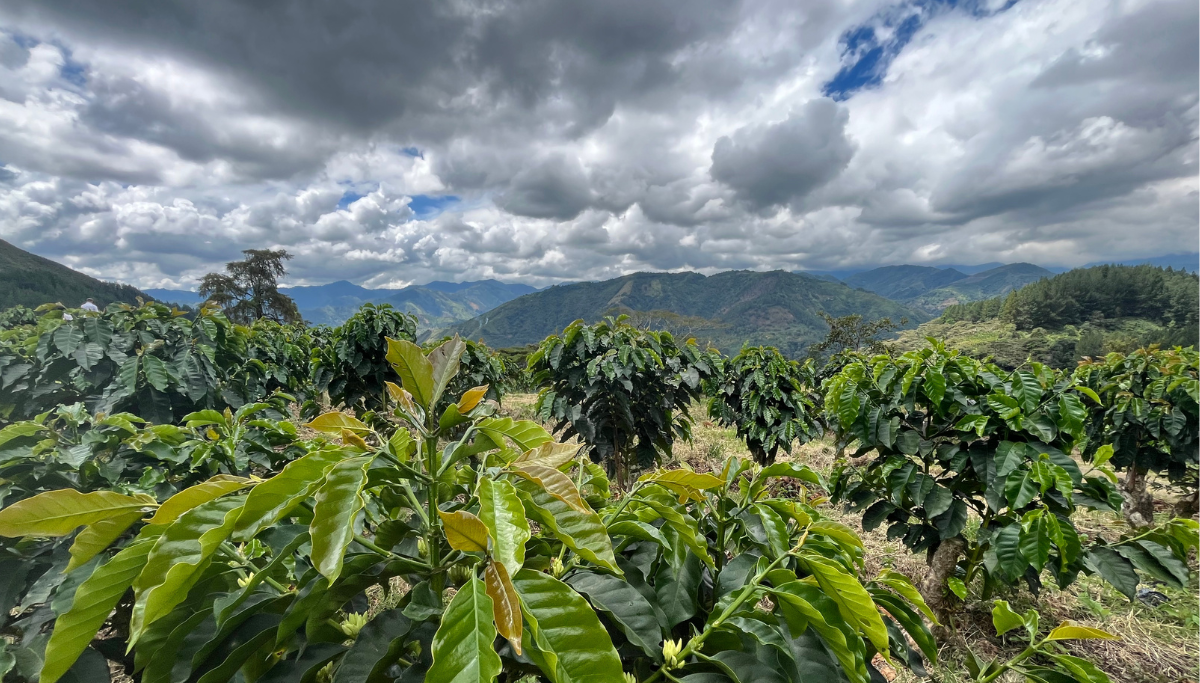
Reducing coffee’s water and carbon footprints means looking at the whole farm: crop management, wet processing, by-product handling, and the farm’s relationship with the watershed. This guide brings together practical agricultural measures and a management approach to help prioritize actions and track progress over time.
What is this guide and what is it for?
This Good Agricultural Practices (GAP) guide focuses on concrete actions to reduce water footprint and carbon footprint in the coffee sector. It is based on a core principle: cultivation and processing require inputs and generate outputs (product, waste, and releases to air, soil, and water). For that reason, management should address impacts and identify the process “hotspots” where improvements deliver the greatest results.
In simple terms: what does each footprint measure?
Water footprint: the amount of water appropriated by production, including both direct and indirect use. It includes:
- Green water: rainwater stored in the soil and used by plants
- Blue water: water withdrawn from surface or groundwater sources
- Grey water: the theoretical volume of water needed to dilute pollution to permitted levels
Carbon footprint: greenhouse gas emissions associated with an activity; reducing it contributes to climate change mitigation.
Why apply the guide? (Environmental, productivity, and management benefits)
Reducing the water footprint helps:
- Lower pressure on local water resources
- Improve the availability of clean water for other users (including ecosystems)
- Strengthen climate change adaptation
Reducing the carbon footprint helps:
- Avoid emissions that accumulate in the atmosphere and contribute to global warming
Who is it for and how to use it?
Who is it for?
- Producers and farms: to prioritize investments and operational improvements in soils, fertilization, wet processing, and by-product management.
- Companies (coffee, banana, and other watershed actors): as a reference to support improvement plans, monitoring, and traceability/zero-deforestation requirements.
- Technical partners and decision-makers: to design technical assistance, measurement tools, and participatory strategies to monitor water and climate.
Suggested steps to use it
- Map your system (cultivation, wet processing, waste, and household water) and identify inputs and outputs.
- Establish a baseline: water use, discharge/effluent characterization, inventory of inputs, and emissions.
- Identify hotspots (e.g., fertilization/nitrogen; organic load from processing; phosphorus leaching; domestic wastewater).
- Select priority practices from the guide based on your hotspots (water efficiency in processing, analysis-based fertilization, pulp and mucilage-water management, green filters/constructed wetlands, agroforestry).
- Define how you will track progress (records and participatory monitoring of rainfall, flows, and water quality) and adjust actions as needed.
Download and consult the Good Agricultural Practices Guide for Reducing Water Footprint and Carbon Footprint in the coffee sector and use it as a practical reference to prioritize actions on-farm and across the territory.