A practical guide for banana farms in Magdalena: efficient irrigation, water recirculation, soil management, energy and waste, with indicators to track progress.
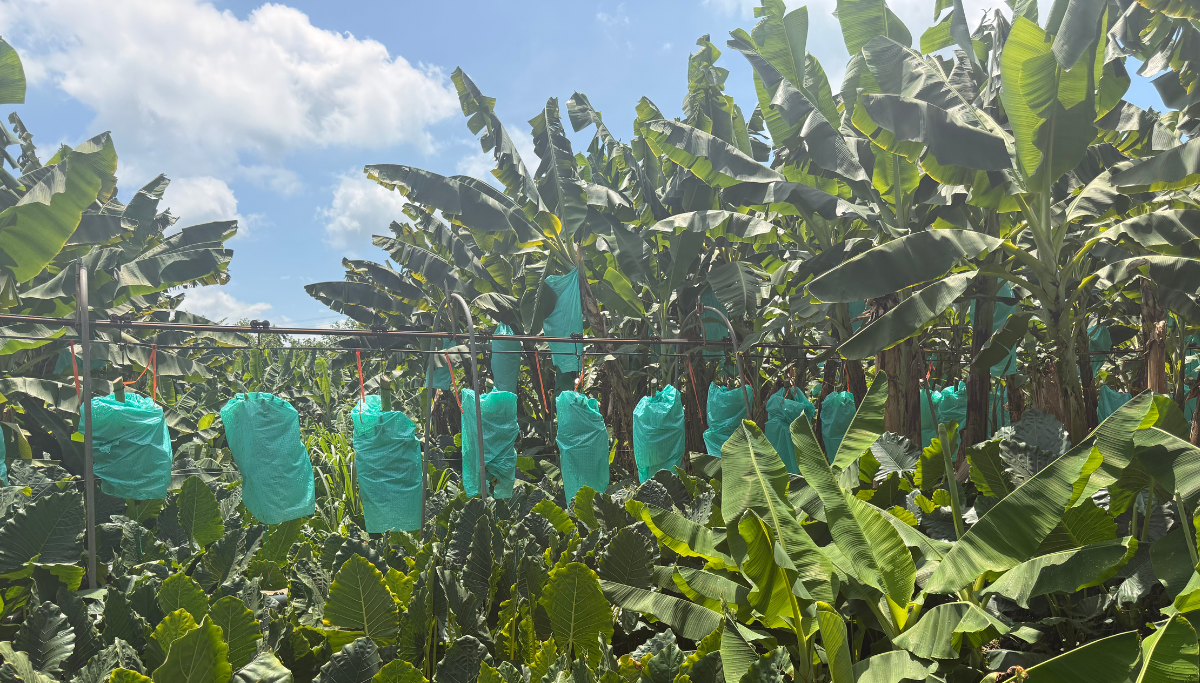
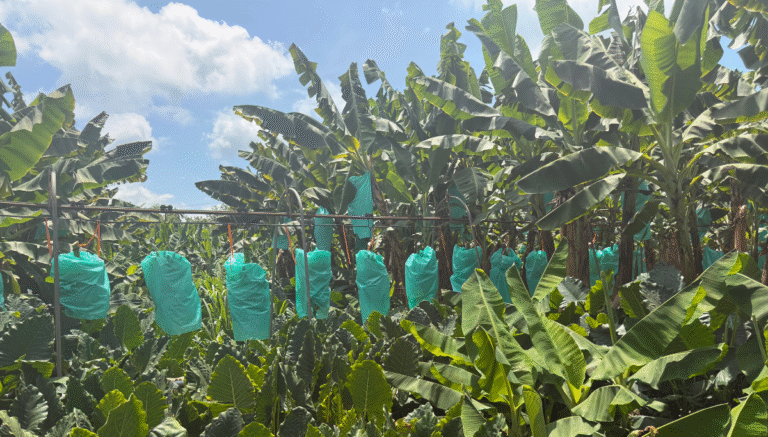
Banana production depends on water and it can also ease pressure on water sources and cut emissions by prioritizing good agricultural practices. This guide brings together practical options from smart irrigation to waste management, so farms and companies can move forward with clear, measurable steps.
What is this guide and what is it for?
The Good Agricultural Practices Guide to reduce the Water Footprint (WF) and Carbon Footprint (CF) in the banana sector in Magdalena compiles practices identified through technical information and direct conversations with banana farms in the region.
Its purpose is to support on-farm decision-making to:
- Improve water-use efficiency.
- Reduce pollution risks (both point and diffuse).
- Lower emissions linked to energy use and key production activities.
The guide also proposes practical monitoring indicators to help track progress on both WF and CF over time.
What benefits can it deliver?
- Greater water efficiency in irrigation and post-harvest operations.
- Reduced pressure on surface and groundwater sources.
- A smaller carbon footprint associated with pumping, fuels, and waste management.
- Better operational control, traceability, and clearer indicators for reporting and continuous improvement.
Who is it for and how to use it?
Who is it for?
- Banana producers and farm managers.
- Banana companies and their sustainability/production teams.
- Technical partners (extension services, industry associations, consultants).
- Decision-makers and teams responsible for environmental performance reporting.
How to use it (suggested steps)
- Diagnose: identify where water use is concentrated (irrigation, post-harvest, others) and which sources you rely on. Support this with process-level measurement.
- Prioritize: choose 2–3 “high-impact, easy-to-start” practices (for example, water balance and sensors; metering; organic waste management).
- Plan: define responsibilities, costs, suppliers, and a timeline, especially for measures that require investment (e.g., recirculation systems, energy upgrades) and implement in phases.
- Measure and improve: use the indicators suggested in the guide (e.g., reductions in blue/green/grey WF as applicable, and CF in tCO₂e/year associated with pumps/energy and other sources) to assess results and refine actions.
Consult and download the full guide to explore the technical details, implementation steps, and recommended indicators.